The influence of luck in gambling
Luck is often heralded as the most significant factor in the world of gambling. When players step into a casino, they are immediately confronted with the notion that fortune plays a crucial role in their potential winnings. Games like slots, roulette, and certain card games heavily rely on random outcomes, leading many to believe that luck is the sole determinant of success. In these scenarios, the unpredictability of the game outcomes means that no amount of strategy can guarantee a win, which is why many enthusiasts turn to various betting sites that offer insights and information about different games.
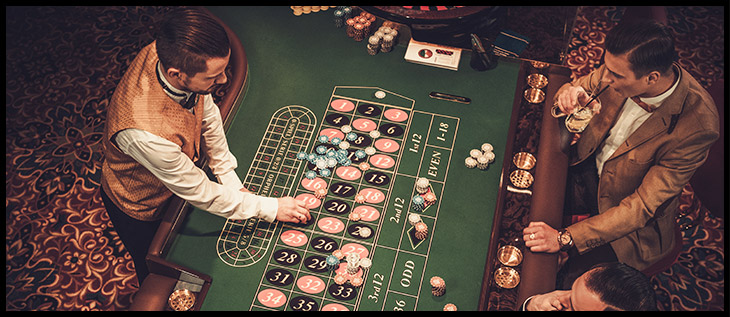
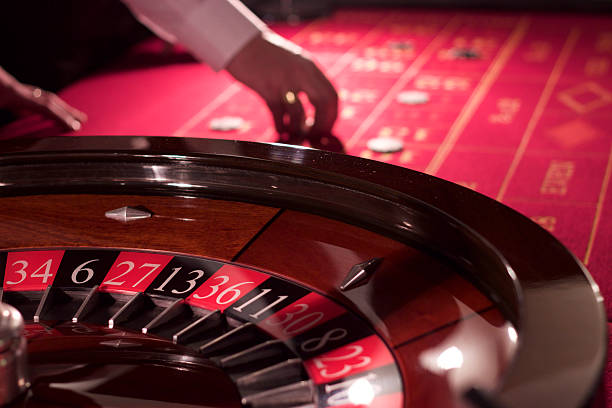
The concept of luck is particularly compelling in games where players have no control over the outcome. For instance, in a game of roulette, the spin of the wheel and the position of the ball dictate success or failure. Players can place their bets based on their feelings or experiences, but ultimately, the results are left to chance. This randomness is what draws many gamblers to casinos, as it promises the possibility of winning big with just a little bit of luck.
Moreover, the psychology of luck can have a significant impact on player behavior. When a player experiences a winning streak, they may attribute their success to luck, which can lead to an adrenaline rush and encourage further gambling. This cycle can lead to risky behavior, as players may continue gambling under the false belief that their luck will remain favorable. This phenomenon emphasizes the powerful role that luck plays, but it also reveals the potential dangers of relying solely on chance in gambling pursuits.
The importance of skill in gaming
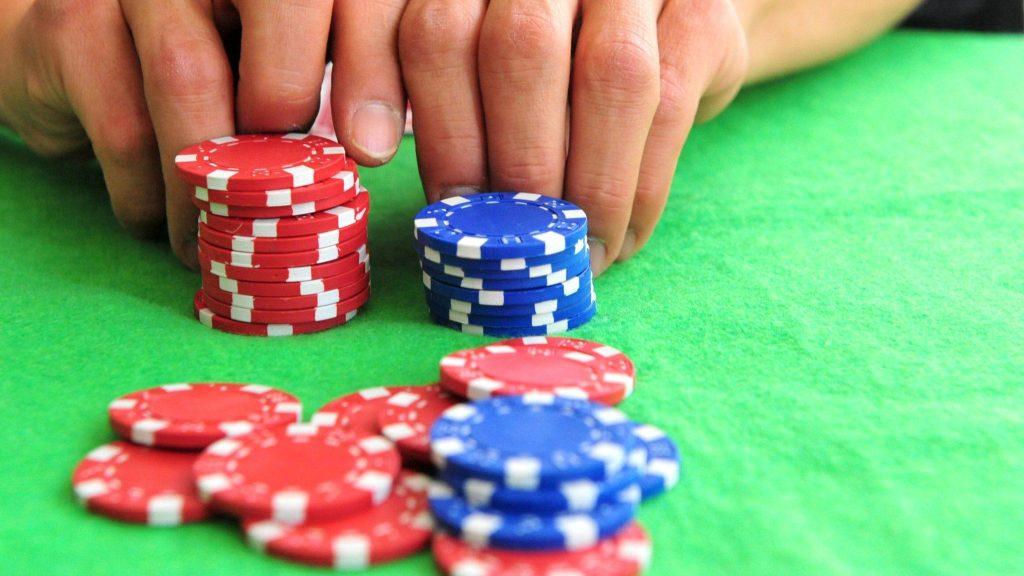
While luck plays a vital role in many casino games, skill should not be underestimated. Games such as poker, blackjack, and craps require a level of strategic thinking, decision-making, and psychological insight that can significantly influence the outcome. In poker, for instance, skilled players utilize their understanding of probability, player psychology, and betting patterns to outmaneuver their opponents. This strategic approach can dramatically increase their chances of success, illustrating that skill can often tip the odds in a player’s favor.
Furthermore, the role of skill extends beyond mere knowledge of the game. Experienced players often develop a repertoire of tactics, such as bluffing in poker or card counting in blackjack, which can provide them a competitive edge. Unlike purely random games, these skills can be honed over time, allowing players to make informed decisions that could potentially lead to more favorable outcomes. This ability to influence results through skill reinforces the notion that gambling is not exclusively a game of chance.
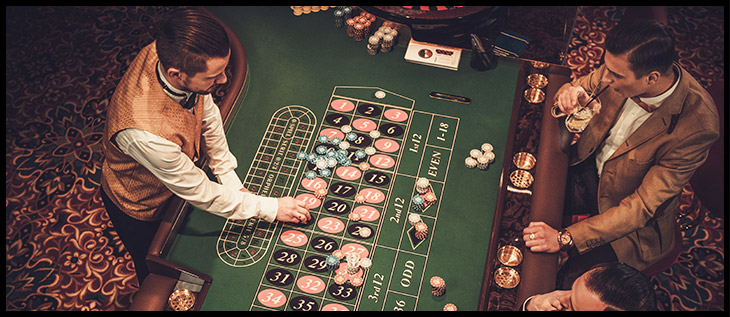
Additionally, understanding the mathematical aspects of games can profoundly impact a player’s long-term success. For example, players who grasp the odds and payouts associated with different bets in blackjack can minimize their losses and increase their overall bankroll. This knowledge is crucial, as it enables them to exploit favorable situations. Thus, while luck remains a formidable force, skillful gameplay can considerably enhance a player’s chances of success in the long run.
The balance between luck and skill
In the dynamic environment of casinos, the interplay between luck and skill creates a complex landscape. While luck can offer unexpected successes, skill enables players to navigate the unpredictable nature of gambling. Many seasoned players argue that success in the casino is not merely about having good luck; rather, it is about leveraging skill to maximize the potential of that luck. This delicate balance can be the key to consistent success, as players must remain adaptable and responsive to the ever-changing outcomes of their games.
For instance, in poker tournaments, the early stages may be heavily influenced by luck, as players encounter random hands. However, as the tournament progresses, the importance of skill becomes increasingly prominent. Players need to read their opponents, manage their chip stacks, and make strategic decisions that will affect their performance. This evolution highlights how both elements are intertwined, and it illustrates that while luck may provide opportunities, skill is what ultimately secures consistent success.
Moreover, the reliance on both luck and skill can vary by game. While poker and blackjack emphasize skill, games like slot machines lean predominantly on luck. Understanding this distinction allows players to tailor their strategies and expectations accordingly. Acknowledging that luck can fluctuate provides a crucial perspective, encouraging players to adopt a balanced approach that recognizes the significance of both chance and strategic skill.
Coping with the outcomes of gambling
The inherent nature of gambling means that losses are an unavoidable part of the experience. Players must learn to cope with these outcomes, understanding that luck can sometimes lead to unfavorable results despite skillful play. Developing a healthy mindset when dealing with both winning and losing can be challenging, but it is essential for anyone wishing to engage with gambling responsibly. Accepting that luck can turn against you is crucial, as it fosters resilience and promotes better decision-making in future endeavors.
Additionally, setting realistic expectations about the balance between luck and skill can greatly influence a player’s approach. Recognizing that not every session will yield a win can help mitigate feelings of frustration or disappointment. Instead of solely focusing on winning, players should prioritize the enjoyment of the game, cultivating a mindset that values the experience over the outcome. This perspective allows for a more sustainable engagement with gambling and can lead to improved well-being overall.
Furthermore, players are encouraged to engage in responsible gambling practices, which can help manage potential risks associated with both luck and skill. This includes setting financial limits, taking regular breaks, and seeking support if gambling begins to negatively impact one’s life. By prioritizing a balanced and informed approach, individuals can enjoy the thrills of casino gaming while minimizing the pitfalls associated with over-reliance on luck or the pressures of achieving skill-based outcomes.
The benefits of learning from experience
As players navigate the intricate landscape of casinos, learning from past experiences becomes paramount. Each session offers valuable insights that can inform future gameplay strategies. Reflecting on both successful and unsuccessful outcomes allows players to identify patterns that can enhance their overall gaming experience. For instance, analyzing hands in poker where skill played a decisive role can help players understand their decision-making processes, refining their strategies for the future.
Moreover, the casino environment is rich with opportunities for players to learn from one another. Observing other skilled players and understanding their strategies can be immensely beneficial. Many casinos offer various tournaments and events where experienced players gather, creating a fertile ground for knowledge exchange. Engaging with fellow enthusiasts not only broadens one’s understanding of game mechanics but also brings forth diverse perspectives on the balance of luck and skill.
In conclusion, the journey in the world of casinos is one of continuous learning. By combining experiences of luck and skill, players can develop a nuanced understanding of their games. Striving for improvement and adapting strategies based on previous outcomes fosters not only a more successful gameplay experience but also enriches the enjoyment of the gambling journey. Ultimately, this emphasis on learning and adaptation is what sets successful players apart from the rest.